
Your Child Doesn’t Need Another Tuition Class – They Need Social Skills Instead
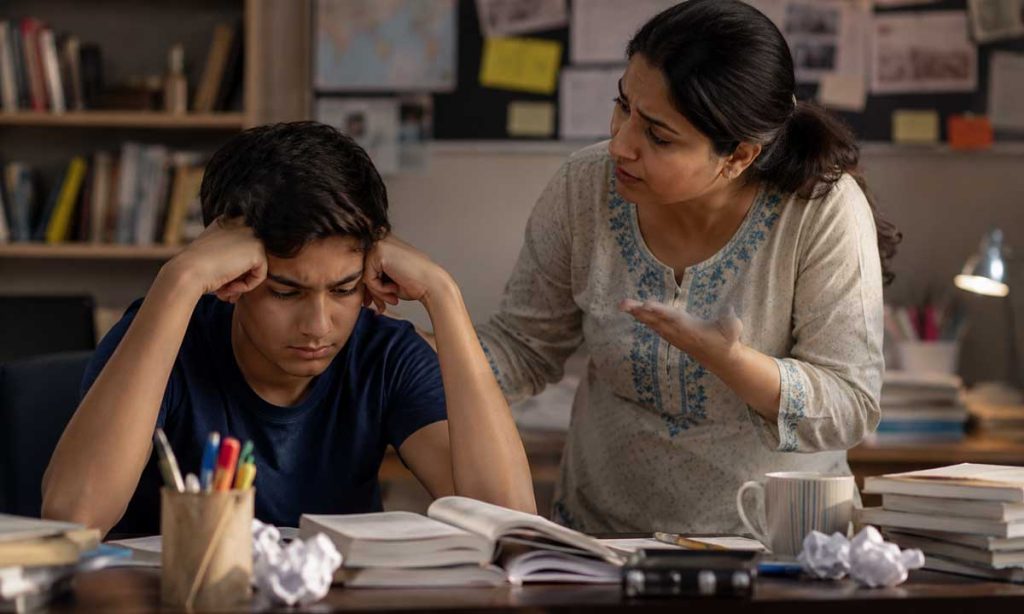
When a child is weak in maths, parents look for a maths tutor.
When they want to improve creativity, they enroll them in art, dance, or music classes.
When spoken English is poor, they join communication courses.
But what happens when a child struggles to make friends? When they get angry too quickly, avoid social situations, refuse to listen, lack confidence, or don’t know how to express their feelings?
Most Indian parents still don’t know where to go.
The reality is that modern parents have understood the value of marks, degrees, coding skills, and competitive exams. But many are still unaware of something equally important—social, emotional, and behavioral development.
And that gap is becoming more visible than ever.
The Problem Isn’t the Child. It’s the Environment.
A generation ago, children grew up surrounded by cousins, neighbors, playgrounds, and large joint families. They naturally learned how to share, negotiate, communicate, handle rejection, and build relationships.
Today’s children are growing up differently.
Many belong to nuclear families. Free outdoor play has reduced. Screen time has increased. Conversations are often replaced by videos, games, and social media.
As a result, many children are entering adolescence without developing the social skills that previous generations learned naturally.
Parents often dismiss the signs.
“He’s just naughty.”
“They’ll mature with age.”
“It’s only a phase.”
Sometimes that’s true.
But sometimes those early behavioral and communication issues grow into bigger challenges affecting friendships, academics, confidence, and even future careers.
Why Love Alone Is Not Enough
Most parents genuinely want the best for their children.
But parenting today requires more than love and good intentions. It requires awareness.
Research consistently shows that emotional intelligence, communication skills, self-regulation, empathy, and resilience play a major role in long-term success and well-being.
In other words, raising a child is not just about helping them score better marks; it’s about helping them become capable human beings.
And that is where scientifically proven parenting approaches become important.
Because shouting, threatening, comparing, or slapping may stop a behavior temporarily, but it rarely teaches a child the skill they were missing in the first place.
Parenting Needs an Upgrade Too
Just as children learn and grow, parenting must evolve with changing times.
Many parents spend thousands on tuition classes but never invest time in understanding child psychology, emotional development, or positive discipline techniques.
This is precisely why resources like Parenting Beyond Love are becoming relevant for today’s families. The idea is simple: love is essential, but effective parenting requires knowledge too.
Understanding why children behave the way they do can often solve problems that punishment never could.
The Skill That Shapes Every Other Skill
A child who learns empathy builds stronger relationships.
A child who learns communication expresses themselves better.
A child who learns emotional regulation handles pressure more effectively.
These are not “extra” skills. They are life skills.
And perhaps it’s time we started giving them the same importance that we give to maths, science, coding, and exams.
Because one day, report cards will stop mattering.
But the ability to understand people, manage emotions, and navigate the real world will stay with them for life.